أنت تستخدم أحد المتصفحات القديمة. قد لا يتم عرض هذا الموقع أو المواقع الأخرى بشكل صحيح.
يجب عليك ترقية متصفحك أو استخدام أحد المتصفحات البديلة.
يجب عليك ترقية متصفحك أو استخدام أحد المتصفحات البديلة.
o°o° استفساراتكم و طلبـــــــاتكم هنــــــــا °o°o
- بادئ الموضوع نـــدى الـورد
- تاريخ البدء
- الحالة
- مغلق و غير مفتوح للمزيد من الردود.

Ms.English
New member
- إنضم
- 2008/07/05
- المشاركات
- 895
هلاااا عزيزتي ام سيف
هذا حبيبتي موضوع عن الاجازة اختاري ما يعجبج منه
http://www.niswh.com/vb/showthread.php?t=74521
هذا حبيبتي موضوع عن الاجازة اختاري ما يعجبج منه
http://www.niswh.com/vb/showthread.php?t=74521

مـــلـــكـــة
New member
- إنضم
- 2008/09/23
- المشاركات
- 15
السلام عليكم
انا طالبه جديده هنا وسجلت بس مااعرف كيف الامتحانات تكون ومتى وقتها وكيف احلها؟؟
وايش المفروض اسوي قبل الامتحان يعني في دروس مخصصه احفظها واختبر فيها؟؟
ياليت تفيديني اختى واكون لك شـاكره
انا طالبه جديده هنا وسجلت بس مااعرف كيف الامتحانات تكون ومتى وقتها وكيف احلها؟؟
وايش المفروض اسوي قبل الامتحان يعني في دروس مخصصه احفظها واختبر فيها؟؟
ياليت تفيديني اختى واكون لك شـاكره


زهرة الآلام
New member
- إنضم
- 2008/12/03
- المشاركات
- 209
يا أهلَ الـ English !! زهرة الآلام . . في ورطة !
حبيباتي عزيزاتي ..
ملكاتي .. أميراتي ..
أيها البلقيسيات الكريمات .. :nosweat:
السلام ُ عليكن ّ ورحمة الله ..
<< ام مم ما تدري كيف تبدأ طلبها !
المهم حبيباتي أحتاج إلى مساعدتكن ..
لفقت موضوع باللغة الإنجليزية << والله حالته حاله ! :shutup:
ولي كم يوم حايسة .. ماني عارفة أختم الموضوع ..:tears:
الخلاصة .. << مرة مكسوفة :blush-anim-cl:
أتمنى ممن تستطيع المساعدة .. تزويدي ( بجمل / أو عبارات مركزة ) أختم بها الموضوع ..
حتى ولو كانت مقولة مقتبسة ، من كتاب ٍ ما .. مع تزويدي بالمصدر ..
ولكن جزيل الشكر ..
::
( من ترغب في مساعدتي .. سأرسل إليها بعنوان الموضوع على الخاص ) .. ودمتن ّ لي ..
:icon26:
حبيباتي عزيزاتي ..
ملكاتي .. أميراتي ..
أيها البلقيسيات الكريمات .. :nosweat:
السلام ُ عليكن ّ ورحمة الله ..
<< ام مم ما تدري كيف تبدأ طلبها !
المهم حبيباتي أحتاج إلى مساعدتكن ..
لفقت موضوع باللغة الإنجليزية << والله حالته حاله ! :shutup:
ولي كم يوم حايسة .. ماني عارفة أختم الموضوع ..:tears:
الخلاصة .. << مرة مكسوفة :blush-anim-cl:
أتمنى ممن تستطيع المساعدة .. تزويدي ( بجمل / أو عبارات مركزة ) أختم بها الموضوع ..
حتى ولو كانت مقولة مقتبسة ، من كتاب ٍ ما .. مع تزويدي بالمصدر ..
ولكن جزيل الشكر ..
::
( من ترغب في مساعدتي .. سأرسل إليها بعنوان الموضوع على الخاص ) .. ودمتن ّ لي ..
:icon26:
زهرة الآلام
New member
- إنضم
- 2008/12/03
- المشاركات
- 209
أنا آآآآآآسفة !
تكرر الموضوع بالغلط .. :surrender:
أتمنى من الأخوات المشرفات حذف هذا ، والإبقاء على الآخر .. :sad_1:
تكرر الموضوع بالغلط .. :surrender:
أتمنى من الأخوات المشرفات حذف هذا ، والإبقاء على الآخر .. :sad_1:
زهره الجنه
New member
- إنضم
- 2007/07/21
- المشاركات
- 745
حبيبتى
يمكن ان تختمى الموضوع برايك أو بتحليل أو بحكمه أو بنظره مستقبليه أو ان تتركيه مفتوح .
ويمكنك استخدام هذه الجمل .
Finally , At the end .
يمكن ان تختمى الموضوع برايك أو بتحليل أو بحكمه أو بنظره مستقبليه أو ان تتركيه مفتوح .
ويمكنك استخدام هذه الجمل .
Finally , At the end .

حلمي الماستر
New member
- إنضم
- 2008/12/22
- المشاركات
- 127
مرررحبا اخواتي العزيزات انا مسجله في دوره مس انجلش لكن ماادري متي بتبداء وياليت اذا بديتوا تخبرونا قبلها بكم يوم لاني مش كل يوم افتح النت ومشكورين الف شكر للجمميع

mathmatician
New member
- إنضم
- 2008/08/19
- المشاركات
- 40
hi
i usually like to use a proverb at the conclusion, then paraphrase the main idea
i usually like to use a proverb at the conclusion, then paraphrase the main idea
mathmatician
New member
- إنضم
- 2008/08/19
- المشاركات
- 40
hi
plot story
Experimentation
Modernism
event story
node in the story or events node
i'm not sure from them but i hope that i afford some help
cheers
plot story
Experimentation
Modernism
event story
node in the story or events node
i'm not sure from them but i hope that i afford some help
cheers

dallou3et zawji
New member
- إنضم
- 2008/12/05
- المشاركات
- 287
masters ...we will start on january 18th 2009
good luck
good luck

حصوصه المملوحه
New member
- إنضم
- 2008/06/05
- المشاركات
- 172
لو سمحتوا انا ابغى اسجل في الدورة واليوم عرفت والتسجيل انتهى كيف اقدر اسجل بليييييييييييز ساعدوني مع اني عندي خلفية باللغة الانجليزية تقريبا بنسبة70% والف شكر لكم
Ms.English
New member
- إنضم
- 2008/07/05
- المشاركات
- 895
لو سمحتوا انا ابغى اسجل في الدورة واليوم عرفت والتسجيل انتهى كيف اقدر اسجل بليييييييييييز ساعدوني مع اني عندي خلفية باللغة الانجليزية تقريبا بنسبة70% والف شكر لكم
سامحينا حبيبتي وقت التسجيل انتهى و العدد اكتمل
مرة ثانية إن شاء الله
dallou3et zawji
New member
- إنضم
- 2008/12/05
- المشاركات
- 287
dear 7assousa,
i,on behalf of the english team,regret to tell you that registration is over.
i hope you will be able to register later on.
but don't lose hope.you can still ask me or any teacher about anything you would like to know.we will help you inshallah.i'm really sorry
i,on behalf of the english team,regret to tell you that registration is over.
i hope you will be able to register later on.
but don't lose hope.you can still ask me or any teacher about anything you would like to know.we will help you inshallah.i'm really sorry
عزيزتي ياسمينة، والله اني مثلج بالضبط عقدتي الانجليزي من اول يوم درسناه في الصف الخامس ومدرسة الانجليزي سوت لي عقدة الله لا يسامحها، صار لنجليزي عقدتي ف الدراسة درجاتي عالية ف كل المواد الا انجليزي، متفوقة ف الجامعة الي الحمدلله كان التدريس فيها بالعربي الا ف مساق الانجليزي يبت مقبول، تصدقين اكثر مادة اذاكرها الانجليزي لكن يصير عندي فوبيا من امتحان الانجليزي وارتبك وانسى كل شي اول ما اشوف لورقة، واصلت دراستي وحصلت ع الماجستير من جامعة عربية تقويت اشوي ف اللغة بحكم المراجع والترجمة لكن للحين بعد احتاج وايد للوصول الى الافضل خاصة اني افكر ف تكملة الدكتوراه والشرط ان احصل ع التوفل، تصدقين ابغي التحق بدورة توفل لكن ف كل مرة يكون ف المجموعة ناس اعرفهم انسحب عشان ما اتفشل، افكر بجدية ف الالتحاق ف دورة تحضير التوفل ... ادعولي اتوفق.... صديقاتي العضوات انصحوني كيف اتغلب ع هالعقدة وكيف اقوي نفسي .... امنيتي اتعلم الانجليزي ف لندن وادرس هناك لكن اهلي يرفضون ... وافقوا ع دراستي ف مصر بحكم انا متعودين عليها وهي دولة عربية .... ابغي اقرى ردودكم.... عزيزتي ياسمين اتمنى ان نتواصل لنشجع بعض ع الدراسة راسليني ع الخاص

بنات انا عندي مقال عن موضوع اتمنى اللي عندها خبره تساعدني ,, مرره محتاجته اليووم 
Choose any aspect of culture (e.g. fashion, freedom, hospitality, weddings, etc.), show why you chose this particular aspect, explain the differences and/or similarities found in the way that Arabs (e.g. Saudis) and the people of ANY OTHER CULTURE perceive or deal with this cultural aspect. Also show which you prefer; the way Arabs perceive/deal with this feature of culture or the people of the other culture, and why. The essay should be typed, 2-3 pages long (or longer if you want), and you can provide illustrations if you want. This is YOUR work… be as creative as you want! Submit this essay either on the day of the deadline or before. If you submit it after the deadline, for ANY reason, you will get a zero.
هذا هو الموضوع اللي عندها افكار ياليت تساعدني ربي يوفقها

ترانيم دجلة
ملكة متوجة
- إنضم
- 2007/05/29
- المشاركات
- 1,114
اختي العزيزة هذه مقالة عن المطبخ العربي بصورة عامة ومن مختلف الدول العربية وبنزلك بعده الاكل الامريكي تقدري تعملي مقارنة ما بينهم وتحذفي اللي متحتاجيه
Originally, the Arabs of the Arabian Peninsula relied heavily on a diet of dates, wheat, barley, rice and meat, with little variety, with a heavy emphasis on yogurt products, such as labneh (لبنة) (yoghurt without butterfat). As the indigenous Semitic people of the peninsula wandered, so did their tastes and favored ingredients.
There is a strong emphasis on the following items in Arabian cuisine:
Culture
Essential to any cooking in the Arabian Peninsula is the concept of hospitality. Meals are generally large family affairs, with much sharing and a great deal of warmth over the dinner table. Formal dinners and celebrations generally entail large quantities of lamb, and every occasion entails large quantities of Arabic coffee.
In an average Persian gulf state household, a visitor might expect a dinner consisting of a very large platter, shared commonly, with a vast mountain of rice, incorporating lamb or chicken, or both, as separate dishes, with various stewed vegetables, heavily spiced, sometimes with a tomato sauce. Most likely, there would be several other items on the side, less hearty. Tea would certainly accompany the meal, as it is almost constantly consumed. Coffee would be included as well.
There are many regional differences in Arab cuisine. For instance mujadara in Syria or Lebanon is different from mujadara in Jordan or Palestine. Some dishes such as mensaf (the national dish of Jordan) are native to certain countries and rarely if ever make an appearance in other countries.
Unlike in most Western cuisines, cinnamon is used in meat dishes as well as in sweets such as Baklava. Other desserts include variations of rice pudding and fried dough. Ground nut mixtures are common fillings for such treats. Saffron is used in everything, from sweets, to rice, to beverages. Fruit juices are quite popular in this often arid region.
Structure of meals
There are two basic structures for meals in the Arab world, a regular structure and a structure specific for the month of Ramadan.
Breakfast
Cafés often offer Croissants for breakfast. Breakfast is often a quick meal consisting of bread and dairy products with tea and sometimes with jam. The most used is labneh and cream (kishta, made of cow milk; or qaimar, made of domestic buffalo milk). Labneh is served with olives, dried mint and drizzled with olive oil. Pastries such as manaqeesh, sfiha, fatayer and kahi are sometimes eaten for breakfast. Flat bread with olive oil and za'tar is also popular.
Traditionally, however, breakfast used to be a much heavier meal especially for the working class such as lentil soup (shorbat ‘adas), or heavy sweets such as knafa. Foul, which is fava beans cooked with chick peas garbanzo beans, garlic, lemon and olive oil is a popular working class breakfast as well.
Lunch
Lunch is considered the main meal of the day, traditionally eaten after the noon prayer. It is the meal where the family groups together and, when entertaining, it is the meal of choice to invite guests.
Rarely do meals have different courses, however, salads and maza are served as side dishes to the main meal. It usually consists of a portion of meat, poultry or fish, a portion of rice, lintel, bread or burgle and a portion of cooked vegetables in addition to the fresh ones with the maza and salad. Usually the vegetables and meat are cooked together in sauce (often tomato, although others are also popular) to make maraq, which served on rice. Most households would add bread whether other grains were available or not.
Drinks are not necessarily served with the food; however, there is a very wide variety of drinks such as shineena (or laban), Karakaden, Naque’e Al Zabib, Irq soos, Tamr Hindi as well as fruit juices. During the 20th century, Coca-cola and similar drinks have also become popular.
Dinner
Dinner was traditionally the lightest meal although in modern times and due to changing lifestyles dinner became more important.
Dinner may vary in its types and depending on whether guests are expected or not can it be from just some fruit (mainly watermelon, melon and grapes) with bread and cheese to a full meal similar to that of lunch. Pastries are also eaten for dinner, or charcoal grilled food such as kebab and shawarma. Other simpler meals can be just dipping za’tar or duqqa or dibs with bread and olive oil. After the meal, usually on special occasions, dessert is served. The most common dessert of Arab Cuisine is rice pudding. It is made from rice cream, rose water, sugar, and salt.
Ramadan meals
In addition to the two meals mentioned hereafter, during Ramadan sweets are consumed much more than usual. Sweets and fresh fruits are served between these two meals. Although most sweets are made all year round such as knafeh, baklawa and basboosa, some are made especially for Ramadan such as Qataeif.
Futuur
Futuur (also called iftar), or fast-breaking, is the meal taken at dusk when the fast is over. The meal consists of three courses: first, an odd number of dates based on Islamic tradition. Then soup would be served, the most popular is lentil soup, but a wide variety of soups such as chicken, freeka (a soup made from a form of whole wheat and chicken broth), potato, maash and others. The third course would be the main dish, usually eaten after an interval where Maghreb prayer is conducted.
The main dish is mostly similar to what is usual for lunch, except that cold drinks are also served.
Suhur
Is the meal eaten just before dawn when fasting must begin.
Regional Arab cuisines
Levant
Levantine cuisine is the traditional cuisine of the Levant region. Though now divided into Syria, Lebanon, Jordan, Iraq and Palestine, the region was a more united entity historically, and shared most of the same culinary traditions. Although almost identical, there is some regional variation within the Levantine area.In general, Levantine foods have much in common with other eastern Mediterranean foods, such as Greek and Turkish cuisines.
Some of the basic similarities are the extensive use of olive oil, zatar and garlic, and common dishes include a wide array or mezze of bread dips, stuffings and side dishes such as hummus, falafel, ful, tabouleh, labaneh and baba ghanoush.
 http://en.wikipedia.org/wiki/File:Sfiha2.jpg
Sfiha originated in Syria and spread throughout the region
It also includes copious amounts of garlic and olive oil, often seasoned with lemon juice -- almost no meal goes by without including these ingredients. Most often foods are either grilled, baked or sautéed in olive oil; butter or cream is rarely used other than in a few desserts. Vegetables are often eaten raw or pickled as well as cooked. While the cuisine doesn't boast an entire repertoire of sauces, it focuses on herbs, spices and the freshness of ingredients.
Iraqi cuisine utilizes more spices than most Arab cuisines. Iraq's main food crops include wheat, barley, rice, vegetables, and dates. Vegetables include eggplant, okra, potatoes, and tomatoes. Pulses such as chickpeas and lentils are also quite common. Common meats in Iraqi cooking are lamb and beef; fish and poultry are also used. Soups and stews are often prepared and served with rice and vegetables. Masgouf is a popular dish. Biryani, although influenced by Indian cuisine, is milder with a different mixture of spices and a wider variety of vegetables including potatoes, peas, carrots and onions among others. Dolma is also one of the popular dishes. The Iraqi cuisine is famous for its extremely tender kebab as well as its tikka. A wide variety of spices, pickles and Amba are also extensively used.
 http://en.wikipedia.org/wiki/File:Maqluba.jpg
Maqluba
In the West Bank, the Gaza Strip and Jordan the population has a cooking style of their own involved in roasting various meats, baking flat breads and cooking thick yogurt-like pastes from goat milk.
Musakhan is a common main dish, famous in the Jerusalem and northern West Bank area. Its main component is Taboon bread that is topped with pieces of cooked sweet onions, sumac, saffron and allspice. For large dinners it can be topped by one or two roasted chickens on a single large Taboon bread.
The primary cheese of the Palestinian mezze is Ackawi cheese, which is a semi-hard cheese with a mild, salty taste and sparsely filled with roasted sesame seeds.
Maqluba is another popular meal in central Palestine. Mujaddara, another food of the West Bank as well as in the Levant in general, consists of cooked green lentils with Bulgar sauteed with olive oil. Mansaf is a traditional meal of both the West Bank and Jordan having roots from the Bedouin population of Jordan and the Judea. It is mostly cooked on occasions such as Eid, a birth or a large dinner gathering. Mansaf is cooked as a lamb leg or large pieces of lamb on top a markook bread that has been topped with yellow rice usually. A type of thick dried cheesecloth yogurt from goat's milk that's called jameed is poured on top of the lamb and rice to give it its distinct flavor and taste. The dish is garnished with cooked pine nuts and almonds.
Originally, the Arabs of the Arabian Peninsula relied heavily on a diet of dates, wheat, barley, rice and meat, with little variety, with a heavy emphasis on yogurt products, such as labneh (لبنة) (yoghurt without butterfat). As the indigenous Semitic people of the peninsula wandered, so did their tastes and favored ingredients.
There is a strong emphasis on the following items in Arabian cuisine:
- Meat: lamb and chicken are the most used, beef and camel are also used to a lesser degree, other poultry is used in some regions, and, in coastal areas, fish. Pork is not commonly eaten--for Muslim Arabs, it is both a cultural taboo as well as being prohibited under Islamic law; many Christian Arabs also avoid pork as they have never acquired a taste for it.[1]
- Dairy products: dairy products are widely used, the most of which is yogurt and white cheese. However, butter and cream are also used extensively.
- Herbs and spices: mint and thyme (often in a mix called za'atar) are widely and almost universally used; spices are used much less than the Indian cuisine but the amount and types generally varies from region to region. Some of the included herbs and spices are sesame, saffron, turmeric, garlic, cumin, cinnamon, and sumac. Spice mixtures include baharat.
- Beverages: hot beverages are used more than cold, coffee being on the top of the list, although tea is also served in many Arab countries.
- Grains: rice is the staple and is used for most dishes with wheat as the main source for bread as well as burghol and Semolina, which are also used extensively.
- Legumes: Lentils are widely used as well as fava beans and chick peas (garbanzo beans).
- Vegetables and fruits: this cuisine also favors vegetables such as cucumbers, aubergine (eggplant), zucchini, okra and onions, and fruits (primarily citrus), are often used as seasonings for entrees. Olives are a large part of the cuisine as well in addition to dates, figs and pomegranate.
- Nuts: pine nuts, almonds and pistachios are often included.
- Greens: Parsley and mint are popular as seasonings in many dishes, while spinach and Corchorus (called "molokhia" in Arabic) are used in cooked dishes.
- Dressings and sauces: The most popular dressings include various combinations of olive oil, lemon juice, parsley, and/or garlic, and tahini (sesame paste). Labaneh, thinned yogurt, is often seasoned with mint and onion or garlic, and served as a sauce with various dishes.
Culture
Essential to any cooking in the Arabian Peninsula is the concept of hospitality. Meals are generally large family affairs, with much sharing and a great deal of warmth over the dinner table. Formal dinners and celebrations generally entail large quantities of lamb, and every occasion entails large quantities of Arabic coffee.
In an average Persian gulf state household, a visitor might expect a dinner consisting of a very large platter, shared commonly, with a vast mountain of rice, incorporating lamb or chicken, or both, as separate dishes, with various stewed vegetables, heavily spiced, sometimes with a tomato sauce. Most likely, there would be several other items on the side, less hearty. Tea would certainly accompany the meal, as it is almost constantly consumed. Coffee would be included as well.
There are many regional differences in Arab cuisine. For instance mujadara in Syria or Lebanon is different from mujadara in Jordan or Palestine. Some dishes such as mensaf (the national dish of Jordan) are native to certain countries and rarely if ever make an appearance in other countries.
Unlike in most Western cuisines, cinnamon is used in meat dishes as well as in sweets such as Baklava. Other desserts include variations of rice pudding and fried dough. Ground nut mixtures are common fillings for such treats. Saffron is used in everything, from sweets, to rice, to beverages. Fruit juices are quite popular in this often arid region.
Structure of meals
There are two basic structures for meals in the Arab world, a regular structure and a structure specific for the month of Ramadan.
Breakfast
Cafés often offer Croissants for breakfast. Breakfast is often a quick meal consisting of bread and dairy products with tea and sometimes with jam. The most used is labneh and cream (kishta, made of cow milk; or qaimar, made of domestic buffalo milk). Labneh is served with olives, dried mint and drizzled with olive oil. Pastries such as manaqeesh, sfiha, fatayer and kahi are sometimes eaten for breakfast. Flat bread with olive oil and za'tar is also popular.
Traditionally, however, breakfast used to be a much heavier meal especially for the working class such as lentil soup (shorbat ‘adas), or heavy sweets such as knafa. Foul, which is fava beans cooked with chick peas garbanzo beans, garlic, lemon and olive oil is a popular working class breakfast as well.
Lunch
Lunch is considered the main meal of the day, traditionally eaten after the noon prayer. It is the meal where the family groups together and, when entertaining, it is the meal of choice to invite guests.
Rarely do meals have different courses, however, salads and maza are served as side dishes to the main meal. It usually consists of a portion of meat, poultry or fish, a portion of rice, lintel, bread or burgle and a portion of cooked vegetables in addition to the fresh ones with the maza and salad. Usually the vegetables and meat are cooked together in sauce (often tomato, although others are also popular) to make maraq, which served on rice. Most households would add bread whether other grains were available or not.
Drinks are not necessarily served with the food; however, there is a very wide variety of drinks such as shineena (or laban), Karakaden, Naque’e Al Zabib, Irq soos, Tamr Hindi as well as fruit juices. During the 20th century, Coca-cola and similar drinks have also become popular.
Dinner
Dinner was traditionally the lightest meal although in modern times and due to changing lifestyles dinner became more important.
Dinner may vary in its types and depending on whether guests are expected or not can it be from just some fruit (mainly watermelon, melon and grapes) with bread and cheese to a full meal similar to that of lunch. Pastries are also eaten for dinner, or charcoal grilled food such as kebab and shawarma. Other simpler meals can be just dipping za’tar or duqqa or dibs with bread and olive oil. After the meal, usually on special occasions, dessert is served. The most common dessert of Arab Cuisine is rice pudding. It is made from rice cream, rose water, sugar, and salt.
Ramadan meals
In addition to the two meals mentioned hereafter, during Ramadan sweets are consumed much more than usual. Sweets and fresh fruits are served between these two meals. Although most sweets are made all year round such as knafeh, baklawa and basboosa, some are made especially for Ramadan such as Qataeif.
Futuur
Futuur (also called iftar), or fast-breaking, is the meal taken at dusk when the fast is over. The meal consists of three courses: first, an odd number of dates based on Islamic tradition. Then soup would be served, the most popular is lentil soup, but a wide variety of soups such as chicken, freeka (a soup made from a form of whole wheat and chicken broth), potato, maash and others. The third course would be the main dish, usually eaten after an interval where Maghreb prayer is conducted.
The main dish is mostly similar to what is usual for lunch, except that cold drinks are also served.
Suhur
Is the meal eaten just before dawn when fasting must begin.
Regional Arab cuisines
Levant
Levantine cuisine is the traditional cuisine of the Levant region. Though now divided into Syria, Lebanon, Jordan, Iraq and Palestine, the region was a more united entity historically, and shared most of the same culinary traditions. Although almost identical, there is some regional variation within the Levantine area.In general, Levantine foods have much in common with other eastern Mediterranean foods, such as Greek and Turkish cuisines.
Some of the basic similarities are the extensive use of olive oil, zatar and garlic, and common dishes include a wide array or mezze of bread dips, stuffings and side dishes such as hummus, falafel, ful, tabouleh, labaneh and baba ghanoush.
 http://en.wikipedia.org/wiki/File:Sfiha2.jpg
Sfiha originated in Syria and spread throughout the region
It also includes copious amounts of garlic and olive oil, often seasoned with lemon juice -- almost no meal goes by without including these ingredients. Most often foods are either grilled, baked or sautéed in olive oil; butter or cream is rarely used other than in a few desserts. Vegetables are often eaten raw or pickled as well as cooked. While the cuisine doesn't boast an entire repertoire of sauces, it focuses on herbs, spices and the freshness of ingredients.
Iraqi cuisine utilizes more spices than most Arab cuisines. Iraq's main food crops include wheat, barley, rice, vegetables, and dates. Vegetables include eggplant, okra, potatoes, and tomatoes. Pulses such as chickpeas and lentils are also quite common. Common meats in Iraqi cooking are lamb and beef; fish and poultry are also used. Soups and stews are often prepared and served with rice and vegetables. Masgouf is a popular dish. Biryani, although influenced by Indian cuisine, is milder with a different mixture of spices and a wider variety of vegetables including potatoes, peas, carrots and onions among others. Dolma is also one of the popular dishes. The Iraqi cuisine is famous for its extremely tender kebab as well as its tikka. A wide variety of spices, pickles and Amba are also extensively used.
 http://en.wikipedia.org/wiki/File:Maqluba.jpg
Maqluba
In the West Bank, the Gaza Strip and Jordan the population has a cooking style of their own involved in roasting various meats, baking flat breads and cooking thick yogurt-like pastes from goat milk.
Musakhan is a common main dish, famous in the Jerusalem and northern West Bank area. Its main component is Taboon bread that is topped with pieces of cooked sweet onions, sumac, saffron and allspice. For large dinners it can be topped by one or two roasted chickens on a single large Taboon bread.
The primary cheese of the Palestinian mezze is Ackawi cheese, which is a semi-hard cheese with a mild, salty taste and sparsely filled with roasted sesame seeds.
Maqluba is another popular meal in central Palestine. Mujaddara, another food of the West Bank as well as in the Levant in general, consists of cooked green lentils with Bulgar sauteed with olive oil. Mansaf is a traditional meal of both the West Bank and Jordan having roots from the Bedouin population of Jordan and the Judea. It is mostly cooked on occasions such as Eid, a birth or a large dinner gathering. Mansaf is cooked as a lamb leg or large pieces of lamb on top a markook bread that has been topped with yellow rice usually. A type of thick dried cheesecloth yogurt from goat's milk that's called jameed is poured on top of the lamb and rice to give it its distinct flavor and taste. The dish is garnished with cooked pine nuts and almonds.
ترانيم دجلة
ملكة متوجة
- إنضم
- 2007/05/29
- المشاركات
- 1,114
Native American cuisine of North America
American Indians of the Eastern Woodlands planted what was known as the "Three Sisters": corn, beans, and squash. In addition, a number of other domesticated crops were popular during some time periods in the Eastern Woodlands, including a local version of quinoa, a variety of amaranth, sumpweed/marsh elder, little barley, maygrass, and sunflower.
In the Northwestern part of what is now the United States Native Americans used salmon and other fish, seafood, mushrooms, and berries, among other foods.[4] They were hunter-gatherers, not needing agriculture to supplement the abundant food supplies of their habitat. In what is now California, acorns were ground into flour, making up about 75 per cent of the diet,[5] and dried meats were prepared during the season when drying was possible.[6]
[edit] Some Dishes
 http://en.wikipedia.org/wiki/File:MsSh_Cornbread.jpg
Corn bread
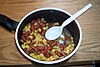 http://en.wikipedia.org/wiki/File:Succotash.jpg
Succotash
This region comprises the cultures of the Arawaks, the Caribs, and the Ciboney. The Taíno of the Greater Antilles were the first New World people to encounter Columbus. Prior to European contact, these groups foraged, hunted, fished. The Taíno cultivated cassava, sweet potato, maize, beans, squash, pineapple, peanuts, and peppers. Today these groups have mostly vanished, but their culinary legacy lives on.
 http://en.wikipedia.org/wiki/File:Jerk_chicken_plate.jpg
Jerk chicken with plaintains, rice and honey biscuit
[edit] Native American cuisine of Mesoamerica
Main articles: Aztec cuisine and Maya cuisine
The pre-conquest cuisine of the Native Americans of Mesoamerica made a major contribution to shaping modern-day Mexican cuisine. The cultures involved included the Aztec, Maya, Olmec, and many more (see the List of pre-Columbian civilizations).
[edit] Some known dishes
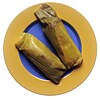 http://en.wikipedia.org/wiki/File:Tamales.jpg
Tamales
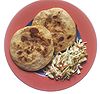 http://en.wikipedia.org/wiki/File:Pupusas.jpg
Pupusas
[edit] Andean cultures
Main article: Inca cuisine
This currently includes recipes known from the Quechua, Aymara and Nazca of the Andes.
 http://en.wikipedia.org/wiki/File:Roast_Guinea_Pig.jpg
Roast guinea pig (cuy)
 http://en.wikipedia.org/wiki/File:Ceviche_del_Perú.jpg
Ceviche
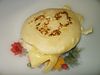 http://en.wikipedia.org/wiki/File:Arepa_asada.JPG
Cheese-filled arepa
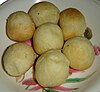 http://en.wikipedia.org/wiki/File:Pao_de_queijo.jpg
Chipa
The earliest utensils, including knives, spoons, grinders, and griddles, were made from all kinds of organic materials, such as rock and animal bone. Gourds were also initially cultivated, hollowed, and dried to be used as bowls, spoons, ladels, and storage containers. Many Native American cultures also developed elaborate weaving and pottery traditions for making bowls, cooking pots, and containers. Nobility in the Andean and Mesoamerican civilizations were even known to have utensils and vessels smelted from gold, silver, copper, or other minerals.
American Indians of the Eastern Woodlands planted what was known as the "Three Sisters": corn, beans, and squash. In addition, a number of other domesticated crops were popular during some time periods in the Eastern Woodlands, including a local version of quinoa, a variety of amaranth, sumpweed/marsh elder, little barley, maygrass, and sunflower.
In the Northwestern part of what is now the United States Native Americans used salmon and other fish, seafood, mushrooms, and berries, among other foods.[4] They were hunter-gatherers, not needing agriculture to supplement the abundant food supplies of their habitat. In what is now California, acorns were ground into flour, making up about 75 per cent of the diet,[5] and dried meats were prepared during the season when drying was possible.[6]
[edit] Some Dishes
 http://en.wikipedia.org/wiki/File:MsSh_Cornbread.jpg
Corn bread
 http://en.wikipedia.org/wiki/File:Succotash.jpg
Succotash
- Corn bread
- Nokake, Algonquin hoecakes
- Fry bread is a dish made from ingredients distributed to Native Americans living on reservations.
- Bean bread, made with corn meal and beans; popular among the Cherokee
- Black drink, or asi, a Southeastern ceremonial drink made from the Yaupon Holly
- Succotash, a trio of lima beans, tomatoes and corn
- Pemmican, a concentrated food consisting of dried pulverized meat, dried berries, and rendered fat
- Psindamoakan, a Lenape hunter's food made of parched cornmeal mixed with maple sugar
- Bird brain stew, from the Cree tribe [1]
- Buffalo stew, from the Lakota also called Tanka-me-a-lo [2]
- Acorn mush, from the Miwok people [3]
- Wojape, a Plains Indian pudding of mashed, cooked berries
- Dry meats Jerky, smoked Salmon strips
- Piki bread Hopi
- Green chili stew
- Mutton stew Navajo
- Pueblo bread
- Walrus Flipper Soup, Inuit dish made from walrus flippers.
- Stink Fish, Inuit dish, of dried fish, underground, until nice & ripe then eaten for later consumption, also done with fish heads.
- Salted Salmon Inuit dish, brined salmon in a heavy concentration of salt water left for months to soak up salts.
- Akutaq, also called "Eskimo Ice Cream", made from caribou or moose tallow and meat, berries, seal oil, and sometimes fish, whipped together with snow or water.
This region comprises the cultures of the Arawaks, the Caribs, and the Ciboney. The Taíno of the Greater Antilles were the first New World people to encounter Columbus. Prior to European contact, these groups foraged, hunted, fished. The Taíno cultivated cassava, sweet potato, maize, beans, squash, pineapple, peanuts, and peppers. Today these groups have mostly vanished, but their culinary legacy lives on.
 http://en.wikipedia.org/wiki/File:Jerk_chicken_plate.jpg
Jerk chicken with plaintains, rice and honey biscuit
- Jerk, a style of cooking meat that originated with the Taíno of Jamaica. Meat was applied with a dry rub of allspice, Scotch bonnet pepper, and perhaps additional spices, before being smoked over fire or wood charcoal.
- Casabe, a flatbread made from yuca root widespread in the Pre-Columbian Caribbean and Amazonia.
[edit] Native American cuisine of Mesoamerica
Main articles: Aztec cuisine and Maya cuisine
The pre-conquest cuisine of the Native Americans of Mesoamerica made a major contribution to shaping modern-day Mexican cuisine. The cultures involved included the Aztec, Maya, Olmec, and many more (see the List of pre-Columbian civilizations).
[edit] Some known dishes
 http://en.wikipedia.org/wiki/File:Tamales.jpg
Tamales
- Tacos
- Tamales
- Tlacoyos (gordita)
- Pozole
- Mole
- Guacamole
- Salsa
- Mezcal
- Tortillas
- Champurrado, a chocolate drink [4]
 http://en.wikipedia.org/wiki/File:Pupusas.jpg
Pupusas
- Xocolātl
- Pejelagarto, a fish with an alligator-like head seasoned with the amashito chile and lime [5]
- Pulque
- Chili
- Pupusas, thick cornmeal flatbread from the Pipil culture of El Salvador
- Alegría, a candy made from puffed amaranth and boiled-down honey or maguey sap, in ancient times formed into the shapes of Aztec gods
- Balché, Mayan fermented honey drink
[edit] Andean cultures
Main article: Inca cuisine
This currently includes recipes known from the Quechua, Aymara and Nazca of the Andes.
- Grilled guinea pig, a native to most of the Andes region this small rodent has been culivated for at least 4000 years
 http://en.wikipedia.org/wiki/File:Roast_Guinea_Pig.jpg
Roast guinea pig (cuy)
- Fried green tomatoes, a nightshade relative native to Peru
- Saraiaka, a corn liquor [6].
- Chicha, a generic name for any number of indigenous beers found in South America. Though chichas made from various types of corn are the most common in the Andes, chicha in the Amazon Basin frequently use manioc. Variations found throughout the continent can be based on amaranth, quinoa, peanut, potato, coca, and many other ingredients.
- Chicha morada, a Peruvian, sweet, unfermented drink made from purple corn, fruits, and spices.
- Colada morada, a thickened, spiced fruit drink based on the Andean blackberry, traditional to the Day of the Dead ceremonies held in Ecuador. It is typically served with guagua de pan, a bread shaped like a swaddled infant (formerly made from cornmeal in Pre-Columbian times), though other shapes can be found in various regions.
- Quinoa Porridge
- Ch'arki, a type of dried meat
- Humitas, similar to modern-day Tamales, a thick mixture of corn, herbs and onion, cooked in a corn-leaf wrapping. The name is modern, meaning bow-tie, because of the shape in which it's wrapped.
- Pachamanca, stew cooked in a hautía oven
 http://en.wikipedia.org/wiki/File:Ceviche_del_Perú.jpg
Ceviche
- Pataska, spicy stew made from boiled maize, potatoes, and dried meat.
- Ceviche, marinated in acidic tumbo juice in Pre-Columbian times
- Cancha or tostada, fried golden hominy
- Llajua, salsa of Bolivia
- Llapingachos, mashed-potato cakes from Ecuador
 http://en.wikipedia.org/wiki/File:Arepa_asada.JPG
Cheese-filled arepa
- Arepa, a maize-based bread originating from the indigenous peoples of Colombia and Venezuela
- Cauim, a fermented beverage based on maize or manioc broken down by the enzymes of human saliva, traditional to the Tupinambá and other indigenous peoples of Brazil
- Curanto, a Chilean stew cooked in an earthen oven originally from the Chono people of Chiloé Island
- Merken, a ají powder from the Mapuche of Patagonia
- Pira caldo, Paraguayan fish soup
 http://en.wikipedia.org/wiki/File:Pao_de_queijo.jpg
Chipa
- Chipa, a corn flour or manioc-based bread traditional to Paraguay
- Yerba mate, a tea made from the holly of the same name, derived from Guaraní
The earliest utensils, including knives, spoons, grinders, and griddles, were made from all kinds of organic materials, such as rock and animal bone. Gourds were also initially cultivated, hollowed, and dried to be used as bowls, spoons, ladels, and storage containers. Many Native American cultures also developed elaborate weaving and pottery traditions for making bowls, cooking pots, and containers. Nobility in the Andean and Mesoamerican civilizations were even known to have utensils and vessels smelted from gold, silver, copper, or other minerals.
- Molinillo, a device used by Mesoamerican royalty for frothing cacao drinks
- الحالة
- مغلق و غير مفتوح للمزيد من الردود.